Hamilton County Dog Registration Information
Service Dogs and Emotional Support Animals in Hamilton, Kansas
If you’re searching where do I register my dog in Hamilton County, Kansas for my service dog or emotional support dog, the most important thing to know is this: “registration” usually means a local dog license (if your city requires it) and proof of current rabies vaccination. A service dog’s legal status (and an emotional support animal designation) are different from a dog license in Hamilton County, Kansas.
Because pet licensing and enforcement are commonly handled at the city level (and sometimes supported by county law enforcement and public health rabies programs), this page focuses on official local offices you can contact in Hamilton County, Kansas to confirm where to register a dog in Hamilton County, Kansas, what paperwork is needed, and how rabies rules are enforced.
Where to Register or License Your Dog in Hamilton County, Kansas
In Hamilton County, Kansas, dog licensing and “registration” questions are often handled through city offices (especially if you live inside city limits), while animal control enforcement and rabies/bite reporting may involve local law enforcement and the county health department. The offices below are official examples within Hamilton County, Kansas you can contact to ask about: animal control dog license Hamilton County, Kansas requirements, licensing fees, renewal timelines, and what to do if you live outside city limits.
Official Offices (Examples Within Hamilton County, KS)
| Office | Contact Details | Hours |
|---|---|---|
|
City of Syracuse, Kansas — City Hall / City Clerk
City licensing questions (if you live in Syracuse city limits)
|
109 N Main St
Syracuse, KS 67878
Phone: (620) 284-7818
Email: info@syracuseks.gov
|
Open daily: 8:00 AM – 5:00 PM
Call to confirm holiday closures.
|
|
City of Syracuse, Kansas — Animal Services
Stray/at-large issues; ordinance enforcement support
|
Animal Services Contact
Ra Jean Vernon (Dog Catcher)
Phone: (620) 384-4841
City Hall / City Clerk
109 N Main Street
Syracuse, KS 67878
Phone: (620) 384-7818
Email: info@syracuseks.gov
|
Not listed (call to confirm)
|
|
Hamilton County Sheriff’s Office
Animal at-large complaints and enforcement support (especially outside city limits)
|
103 W Avenue C
Syracuse, KS 67878
Phone: (620) 384-5616
Email not listed.
|
Not listed (call to confirm)
|
|
Hamilton County Health Department
Rabies vaccination questions; animal bite/rabies public health guidance
|
304 E Ave A
Syracuse, KS 67878
Phone: (620) 384-7875
Email not listed.
|
Mon–Thu: 9:00 AM–12:00 PM, 1:00 PM–4:00 PM
|
|
Hamilton County Clerk (Courthouse)
General county office directory help (not always the licensing office)
|
219 N Main St
Syracuse, KS 67878
Phone: (620) 384-5629
Email not listed.
|
Not listed (call to confirm)
|
|
City of Coolidge (City Hall)
If you live in Coolidge city limits, ask about local dog licensing/ordinances
|
Street address listed; phone/email/hours not listed in official sources available
210 W Wheeler Ave
Coolidge, KS 67836
|
Not listed (call/visit to confirm)
|
Overview of Dog Licensing in Hamilton County, Kansas
What “registering” a dog usually means
In everyday terms, people say “register my dog” when they mean one (or more) of these items: a local dog license in Hamilton County, Kansas (often a city-issued license if you live within city limits), a current rabies vaccination certificate (and sometimes a rabies tag issued by a veterinarian), and local compliance with leash/at-large rules and nuisance ordinances.
Is dog licensing handled by the county or the city?
In Kansas, licensing requirements can vary by jurisdiction. In Hamilton County, Kansas, many licensing and pet-ordinance requirements are handled locally—meaning your city government (if you live in a city like Syracuse or Coolidge) may have specific rules for licensing, tags, fees, and renewals. If you live in a rural area outside city limits, enforcement or guidance may come through county law enforcement, and requirements can differ.
Why rabies compliance matters for licensing and enforcement
Even when licensing rules differ from place to place, proof of a current rabies vaccination is one of the most common documents requested when you apply for or renew a local dog license, and it’s also critical in animal bite incidents. Public health agencies provide guidance on rabies risk, bite reporting, and follow-up steps.
How Dog Licensing Works Locally in Hamilton County, Kansas
Step 1: Identify which jurisdiction you live in
To figure out where to register a dog in Hamilton County, Kansas, start by confirming whether your home address is: inside a city limit (such as Syracuse or Coolidge), or outside city limits (unincorporated/rural Hamilton County). This matters because the licensing office, forms, and fees are often set by the local city ordinance rather than a single countywide program.
Step 2: Ask the local office what “licensing” includes
When you call your city office or law enforcement contact, ask:
- Is a local dog license required for all dogs, or only certain ages?
- Is the license annual, multi-year, or tied to the rabies vaccine expiration date?
- Do you issue a tag that must be worn on the collar?
- What fees apply (and are there reduced fees for altered pets, seniors, or other categories)?
- Do you require proof of spay/neuter, microchip, or a photo?
Step 3: Keep rabies records easy to produce
Regardless of whether you are getting a city license, handling a move, or documenting a service dog or ESA for housing, keep a digital and printed copy of: your rabies vaccination certificate, your vet’s contact info, and your dog’s identifying details. In bite or exposure situations, you may be asked to provide documentation quickly.
What to do if you’re told “we don’t issue licenses here”
If one office doesn’t handle licensing, ask where they recommend you start next. In many communities, the “licensing desk” could be the city clerk, a police department, or another city administrative office. If you’re in rural Hamilton County, ask the sheriff’s office what the county practice is for handling at-large enforcement, nuisance complaints, and rabies documentation.
Service Dog Laws in Hamilton County, Kansas
A service dog is not “registered” by the county
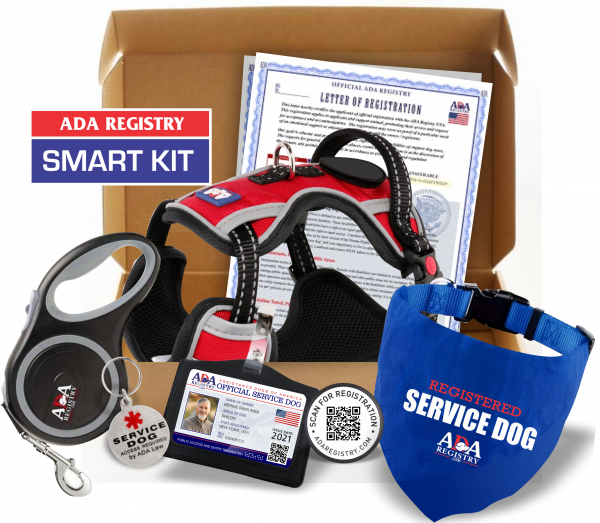
A common misconception is that you must “register” a service dog with the county to make it official. In general, a dog is a service dog because it is trained to perform tasks for a person with a disability (for example, guiding, alerting, retrieving, interrupting a panic response, or other disability-related tasks). That legal status does not usually come from a local dog licensing office. You may still need a local animal control dog license Hamilton County, Kansas requirement (if your jurisdiction requires dog licensing), because licensing is about ownership and public health compliance, not task-training status.
What businesses can (and can’t) ask
In many public access situations, staff typically may ask limited questions related to whether the dog is required because of a disability and what work or task the dog is trained to perform. They generally should not require you to show a “service dog license” card or a paid registration. Separate from public access rules, local government may still require: rabies vaccination compliance, leash control, and adherence to nuisance/at-large ordinances.
Do service dogs need a local dog license?
Often, yes—if your city or jurisdiction requires dog licensing for dogs kept within that jurisdiction, a service dog is typically still a dog that must comply with neutral public health rules like rabies vaccination and any applicable licensing rules. The key idea: licensing is different from service dog status.
Emotional Support Animal Rules in Hamilton County, Kansas
An ESA is not the same as a service dog
An emotional support animal (ESA) provides comfort by its presence, but it is not necessarily trained to perform disability-related tasks. Because of that, ESAs generally do not have the same public access rights as service dogs. This difference is frequently at the center of confusion when people ask where do I register my dog in Hamilton County, Kansas for my service dog or emotional support dog.
Where ESAs most commonly matter: housing documentation
ESAs most often come up in the context of housing accommodations. Landlords or property managers may request reliable documentation consistent with fair housing requirements. However, that housing documentation is separate from a dog license in Hamilton County, Kansas (which is a local government matter).
Do ESAs need a dog license?
If your jurisdiction requires a license for dogs kept in the city or county, an ESA is typically still subject to the same neutral rules that apply to other pet dogs: rabies vaccination, leash laws, nuisance ordinances, and any required licensing. In other words, an ESA letter doesn’t automatically replace local licensing requirements.
Frequently Asked Questions
Start with the office that matches your location. If you live in Syracuse city limits, contact the City of Syracuse (City Hall/City Clerk) and ask about the local dog licensing process and any tags. If you are in a different city (such as Coolidge), contact that city office to ask what ordinances apply. If you live in unincorporated (rural) Hamilton County, contact the Hamilton County Sheriff’s Office to ask how animal control enforcement is handled and whether any county licensing applies for your address.
Typically, no. A service dog is generally defined by the dog’s training to perform tasks for a person with a disability, not by a county-issued registration. You may still need to comply with local rules such as rabies vaccination and any applicable animal control dog license Hamilton County, Kansas requirements in the jurisdiction where you live.
Very often, yes. Many local licensing programs require proof of current rabies vaccination. Even if your city does not issue licenses, rabies vaccination records are important for public health compliance and bite incident follow-up. If you have questions about rabies rules, bite reporting, or exposure guidance, contact the Hamilton County Health Department.
Usually, yes—if your city or jurisdiction requires licensing. ESA documentation is typically related to housing accommodations, while a local dog license is a government requirement tied to ownership and rabies compliance. When in doubt, ask your city clerk or local enforcement office what applies for your address in Hamilton County, Kansas.
If you’re within Syracuse, the city’s Animal Services contact may be appropriate for at-large and ordinance issues. Outside city limits, or for broader law enforcement support, contact the Hamilton County Sheriff’s Office. If there is a bite or potential rabies exposure, contact the Hamilton County Health Department for public health guidance.
Keep your rabies certificate and vet records handy, then contact your city office (if you’ll live inside city limits) or the sheriff’s office (if you’ll be rural) to ask about any required registration or local licensing timelines. This is the simplest way to confirm where to register a dog in Hamilton County, Kansas for your specific address.
Register A Dog In Other Kansas Counties
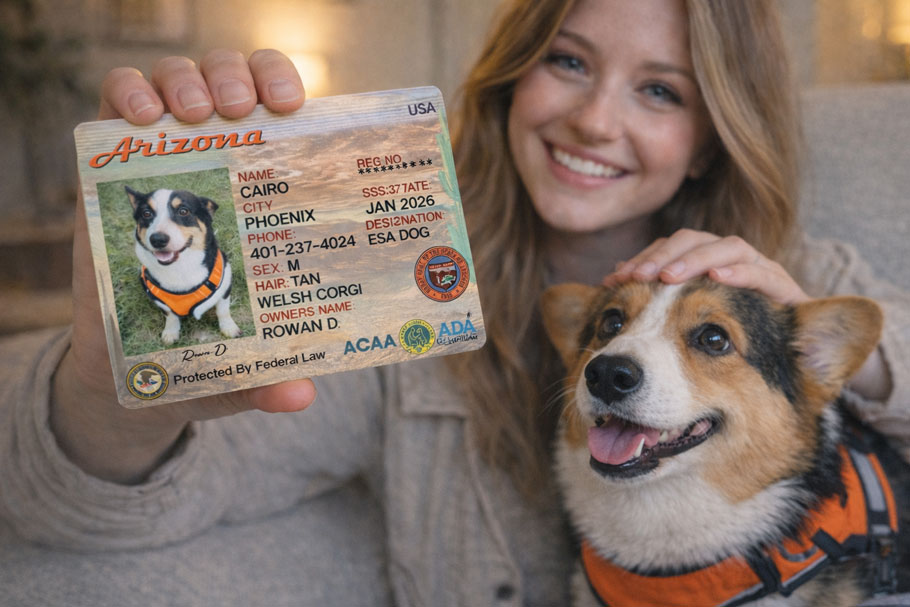
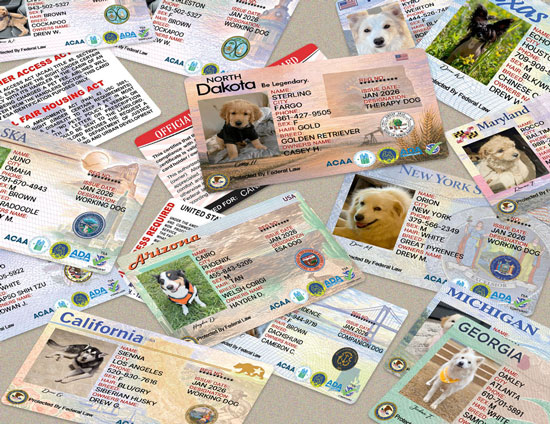
Select your county below to get started with your dog’s ID card. Requirements and license designs may vary by county, so choose your location to see the correct options and complete your pup’s registration.
- Allen County Dog Registration
- Anderson County Dog Registration
- Atchison County Dog Registration
- Barber County Dog Registration
- Barton County Dog Registration
- Bourbon County Dog Registration
- Brown County Dog Registration
- Butler County Dog Registration
- Chase County Dog Registration
- Chautauqua County Dog Registration
- Cherokee County Dog Registration
- Cheyenne County Dog Registration
- Clark County Dog Registration
- Clay County Dog Registration
- Cloud County Dog Registration
- Coffey County Dog Registration
- Comanche County Dog Registration
- Cowley County Dog Registration
- Crawford County Dog Registration
- Decatur County Dog Registration
- Dickinson County Dog Registration
- Doniphan County Dog Registration
- Douglas County Dog Registration
- Edwards County Dog Registration
- Elk County Dog Registration
- Ellis County Dog Registration
- Ellsworth County Dog Registration
- Finney County Dog Registration
- Ford County Dog Registration
- Franklin County Dog Registration
- Geary County Dog Registration
- Gove County Dog Registration
- Graham County Dog Registration
- Grant County Dog Registration
- Gray County Dog Registration
- Greeley County Dog Registration
- Greenwood County Dog Registration
- Harper County Dog Registration
- Harvey County Dog Registration
- Haskell County Dog Registration
- Hodgeman County Dog Registration
- Jackson County Dog Registration
- Jefferson County Dog Registration
- Jewell County Dog Registration
- Johnson County Dog Registration
- Kearny County Dog Registration
- Kingman County Dog Registration
- Kiowa County Dog Registration
- Labette County Dog Registration
- Lane County Dog Registration
- Leavenworth County Dog Registration
- Lincoln County Dog Registration
- Linn County Dog Registration
- Logan County Dog Registration
- Lyon County Dog Registration
- Marion County Dog Registration
- Marshall County Dog Registration
- McPherson County Dog Registration
- Meade County Dog Registration
- Miami County Dog Registration
- Mitchell County Dog Registration
- Montgomery County Dog Registration
- Morris County Dog Registration
- Morton County Dog Registration
- Nemaha County Dog Registration
- Neosho County Dog Registration
- Ness County Dog Registration
- Norton County Dog Registration
- Osage County Dog Registration
- Osborne County Dog Registration
- Ottawa County Dog Registration
- Pawnee County Dog Registration
- Phillips County Dog Registration
- Pottawatomie County Dog Registration
- Pratt County Dog Registration
- Rawlins County Dog Registration
- Reno County Dog Registration
- Republic County Dog Registration
- Rice County Dog Registration
- Riley County Dog Registration
- Rooks County Dog Registration
- Rush County Dog Registration
- Russell County Dog Registration
- Saline County Dog Registration
- Scott County Dog Registration
- Sedgwick County Dog Registration
- Seward County Dog Registration
- Shawnee County Dog Registration
- Sheridan County Dog Registration
- Sherman County Dog Registration
- Smith County Dog Registration
- Stafford County Dog Registration
- Stanton County Dog Registration
- Stevens County Dog Registration
- Sumner County Dog Registration
- Thomas County Dog Registration
- Trego County Dog Registration
- Wabunsee County Dog Registration
- Wallace County Dog Registration
- Washington County Dog Registration
- Wilson County Dog Registration
- Woodson County Dog Registration
- Wyandotte County Dog Registration